What we do
Standing together against violence
About
For All of Our Relatives (Indinawemaaganidog)
We honor and respect all our relatives (Indinawemaaganidog) and all of Creation. Guided by our teachings, we walk together in gratitude (Miigwechinwendamowin), strengthening one another, uplifting Indigenous voices, and nurturing communities where every relative is valued, protected, and thriving.
Services
Advocacy and Support
Training
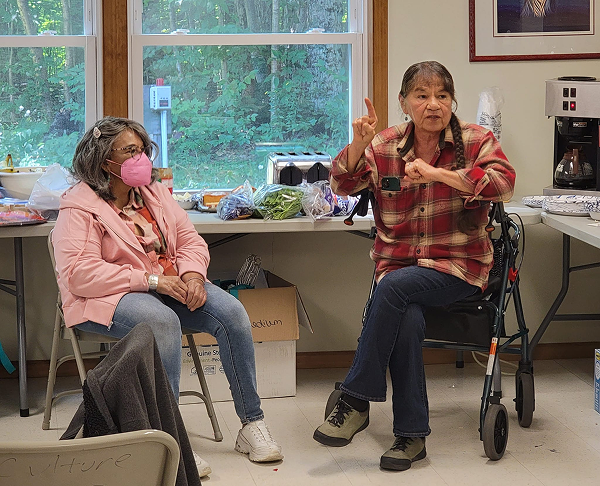
UTFAV provides a variety of training opportunities to tribal advocacy programs, tribal leadership, tribal entities working in response to violence within Indian country, our membership, and other non-tribal entities working with survivors. Trainings are at no cost to our members and tribal programs.
Trainings include but are not limited to:
- Holding Our Children Sacred: Education and Awareness on Human Trafficking in Indigenous Communities
- Missing and Murdered Indigenous Relatives in Indian Country
- Human Trafficking in Indian Country
- Foundations of Advocacy
- Historical Trauma and Resilience
- Professional Boundaries and Ethics
- Culturally Honoring Sexual Assault Teams (SART)
- Confidentiality
- Addressing Burnout in Tribal Victims’ Services Agencies
- Self-Care
- Shelter Advocacy
- Conflict within Shelter: De-Escalation Techniques for Advocates and Shelter Staff
Technical Assistance
UTFAV provides technical assistance to tribal advocacy programs and other entities that respond to domestic violence, sexual assault, dating violence, stalking, human trafficking, and Missing and Murdered Indigenous Relatives (MMIR). Technical assistance is providing information and support to better enhance the response to the violence within their communities. Technical assistance consultations can be done virtually by submitting an inquiry or via email.
Some examples of Technical Assistance include:
A Tribal Program Director reaches out for information about a social media policy within their workplace. UTFAV will research and compile the best available information and share back to the program manager their findings and input. Often times, directors and advocates have other job duties and requirements or heavy caseloads and not enough time to research best practices, data, and other resources. UTFAV can provide this type of support upon request.
A Tribal Law Enforcement officer reaches out for assistance with developing and maintaining a trauma-informed response when responding to domestic calls. UTFAV will provide input on best practices for law enforcement officers responding to domestics. Research will inform UTFAV’s input.
A Tribal Leader reaches out for assistance with writing testimony for the Office on Violence Against Women’s Tribal Consultation. UTFAV will discuss with the Tribal Leader some of the common themes that are pertinent around Indian Country and are important to mention, but will also ensure that issues specific to their Tribal community are at the forefront. UTFAV will also use prior testimony examples from previous leaders to guide the testimony.
Education
Education focuses on providing accessible, foundational information to increase public awareness of domestic violence, sexual assault, dating violence, stalking, human trafficking and Missing and Murdered Indigenous Relatives (MMIR) in Indian Country.
While training is designed for professionals working directly in the field, education is intended for the broader community—including both Native and non-Native populations.
At Uniting Three Fires Against Violence, our educational efforts are rooted in cultural awareness and inclusivity, ensuring information is relevant, respectful, and accessible across diverse communities.
We offer a range of presentations, resources, and outreach opportunities, including:
Youth & Student Education
Presentations and resources focused on healthy relationships, dating violence prevention, consent, and safety awareness.
Community Awareness Presentations
General education for community members on the dynamics, impacts, history and resilience of violence against indigenous peoples.
Tribal & Systems-Level Education
Presentations for Tribal leaders, community decision-makers that highlight violence in Native communities, systemic barriers, and culturally grounded responses.
Cross-Sector Education
Outreach to individuals and organizations who may not specialize in victim services but may encounter survivors in their work—such as healthcare providers, educators, faith-based leaders, and other community partners.
Through these efforts, we aim to increase understanding, strengthen community response, and support safer, more informed environments for all.

System Advocacy
Systems advocacy focuses on creating meaningful change within policies, practices, and institutions to improve responses to domestic violence, sexual assault, dating violence, stalking, human trafficking, and Missing and Murdered Indigenous Relatives (MMIR)— within Indigenous communities.
At Uniting Three Fires Against Violence, systems advocacy includes working collaboratively with Tribal, local, state, and national partners to ensure responses are survivor-centered, culturally grounded, and equitable.
Our systems advocacy efforts may include but are not limited to:
Tribal Systems Support
Working alongside Tribal programs and leadership to identify gaps, address systemic barriers, and support the development of policies and protocols that reflect Tribal sovereignty and community needs.
Collaborative Task Forces & Response Teams
Providing input and leadership within coordinated community responses, such as Domestic Violence Task Forces and Sexual Assault Response Teams (SART), to strengthen how systems work together.
Policy & Legislative Advocacy
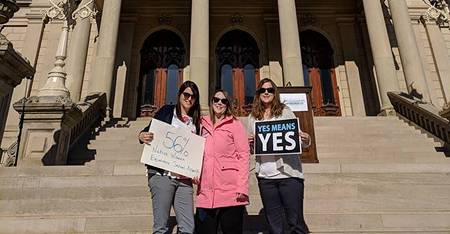
Engaging with legislators, policymakers, and other related stakeholders to provide education and awareness on how laws, policies, and funding decisions impact Tribal Nations, Tribal Communities and Indigenous survivors.
Cross-System Education & Coordination
Building relationships across systems (e.g., legal, healthcare, social services) to improve collaboration, increase understanding of Tribal contexts, and enhance overall responses to survivors.
Through systems advocacy, we work to expand lasting change that strengthens protections, access to services, and justice for Indigenous survivors and Tribal communities.
Connect with us
Submit an inquiry regarding our services.