

Cultural Teachings
The Three Fires Confederacy
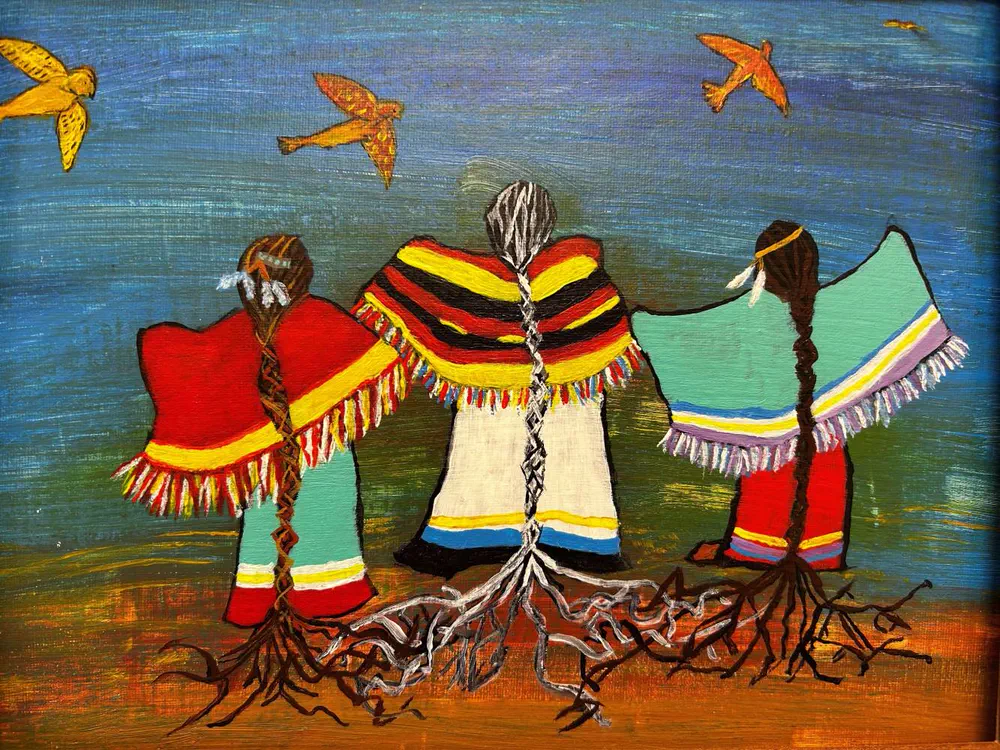
Artwork by April Lee Gamble
Our Shared History
The Three Fires Confederacy
The Three Fires Confederacy, also known as the Council of the Three Fires, is an alliance of the Ojibwe/Chippewa, Odawa/Ottawa, and Potawatomi/Bodéwadmi Nations peoples who continue to share deep cultural, linguistic, and historical connections. Formed during the Anishinaabe migration and centered in the Great Lakes region, each Nation holds distinct but interconnected responsibilities within the Confederacy: the Ojibwe as Keepers of the Faith, the Odawa as Keepers of the Trade, and the Potawatomi as Keepers of the Fire, working together to sustain balance, governance, and community.
We recognize that cultural teachings may be understood, shared, and practiced differently across Tribal Nations, communities, families and generations. The teachings shared here are offered with respect to the distinct knowledge, history, traditions, and teachings of each Tribal Community and Tribal Nation.
The Seven Grandfathers Teaching
Dbaadendiziwin
Humility
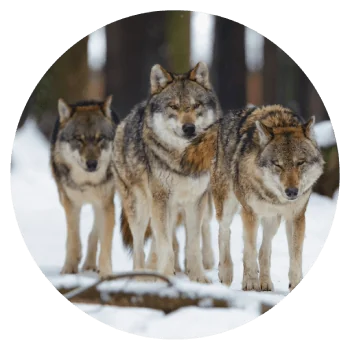
Humility is represented by the wolf. For the wolf, life is lived for his pack and the ultimate shame is to be outcast.
Aakwa’ode’ewin
Bravery
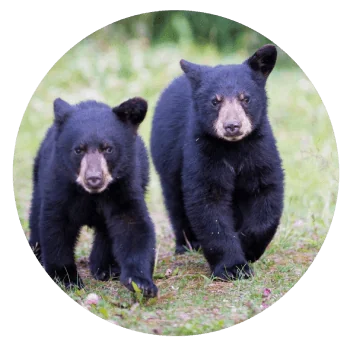
Bravery is represented by the bear. The mother bear has the courage and strength to face her fears and challenges while protecting her young. The bear also shows us how to live a balanced life with rest, survival and play.
Gwekwaadziwin
Honesty
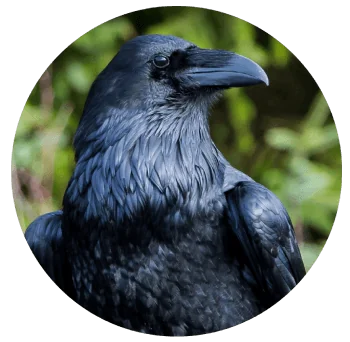
Be honest with yourself. Recognize and accept who you are. Accept and use the gifts you have been given. Do not seek to deceive yourself or others.
Nbwaakaawin
Wisdom
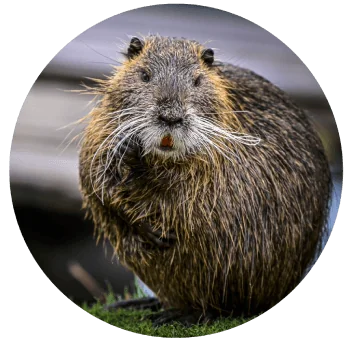
The beaver represents wisdom because he uses his natural gift wisely for his survival. The beaver also alters his environment in an environmentally friendly and sustainable way for the benefit of his family.
Debwewin
Truth
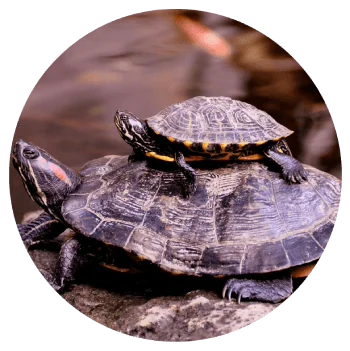
Truth is represented by the turtle as he was here during creation of Earth and carries the teachings of life on his back. The turtle lives life in a slow and meticulous manner, because he understands the importance of both

Mnaadendimowin
Respect
Respect is represented by the buffalo. The buffalo gives every part of his being to sustain the human way living, not because he is of less value, but because he respects the balance and needs of others.
Zaagidwin
Love
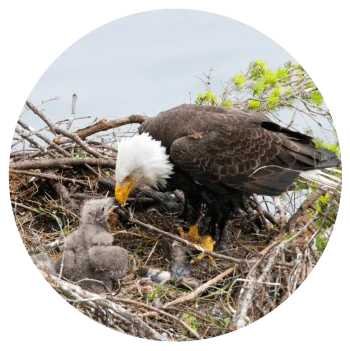
The eagle that represents love because he has the strength to carry all the teachings. The eagle has the ability to fly highest and closest to the creator and also has the sight to see all the ways of being from great distances.
Multiple sources were used to associate specific animals with each teaching. The imagery and associations were informed by a variety of teachings and resources and reflect one interpretation among many. These teachings may vary by community, region, family, and Nation.
Tribal Communities
Tribal Communities
Michigan Tribal Domestic Violence and Sexual Assault Services Information
Sault Ste. Marie Tribe of Chippewa Indians
The Sault Ste. Marie Tribe of Chippewa Indians Advocacy Resource Center (ARC) is a direct service program that provides voluntary assistance and support to victims/survivors
Saginaw Chippewa Indian Tribe
The Saginaw Chippewa Tribe of Michigan’s Victim of Crime Program assists victims of crime by providing victims with information, emotional support, and assistance finding resources
Pokagon Band of Potawatomi
The Pokagon Band of Potawatomi Department of Social Services offers services to women in the community who are feeling unsafe at home and need help.
Nottawaseppi Huron Band of Potawatomi Indians
Nottawaseppi Huron Band of Potawatomi Indians Domestic Violence Victim Advocate To contact Notawaseppi Huron Band of Potawatomi Indians Domestic Violence Victim Advocate, please call (269)
Match-E-Be-Nash-She-Wish Band of Pottawatomi Indians Gun Lake Tribe
Match-E-Be-Nash-She-Wish Band of Pottawatomi Indians (Gun Lake Tribe) Domestic Violence Program provides comprehensive services to victims of domestic violence and sexual assault, from a multidisciplinary
Little Traverse Bay Bands of Odawa Indians
The Survivor Outreach Services Program at the Little Traverse Bay Bands of Odawa Indians Department of Human Services provides a variety of services to all
Little River Band of Ottawa Indians
Little River Band of Ottawa Indians Victim Services Program To contact the Little River Band of Ottawa Indians Victim Services Program, please call (231) 398-6719.
Lac Vieux Desert Band of Lake Superior Chippewa Indians
Lac Vieux Desert Tribal Program To contact the Lac Vieux Desert Tribal Program, please call (906) 358-4940.
Hannahville Potawatomi Indian Community
Hannahville Victim Services To contact Hannahville Victim Services, please call (906) 723-2668.
Keweenaw Bay Indian Community
Keweenaw Bay Indian Community OVW Programs and Services are available to victim-survivors of domestic violence, dating violence, sexual assault, and stalking and are available to
Grand Traverse Band Ottawa & Chippewa Indians
Grand Traverse Band of Ottawa and Chippewa Indians Tribal Victim Assistance Program is a grant-funded program that assists all victims of crimes which occur in
Bay Mills Indian Community
Bay Mills Indian Community Journey To Healing: This program includes public awareness, education, training, and advocacy services for crime victims. The overall goal of the
Cultural Videos
Community Trauma Informed Policing Video Series
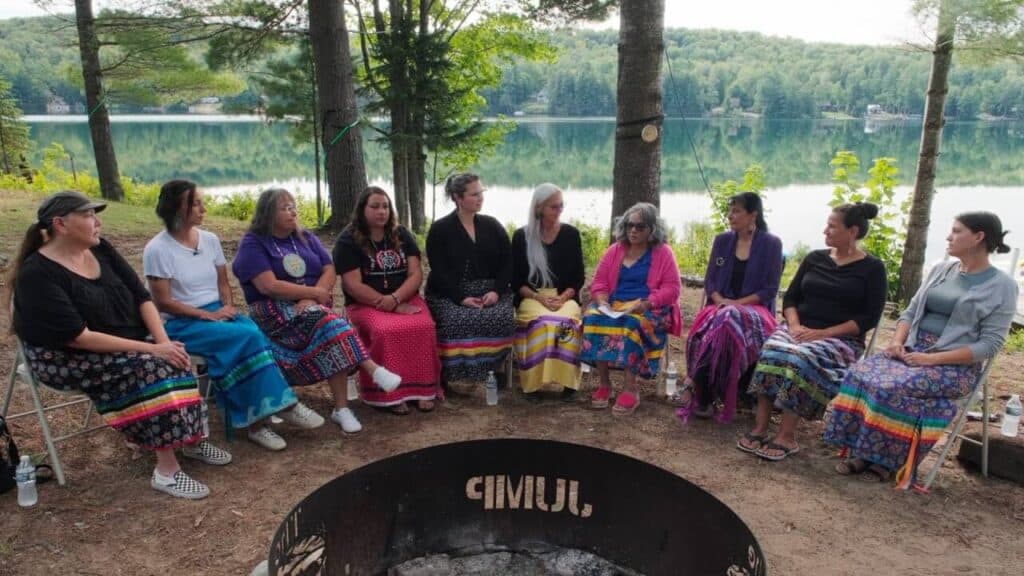
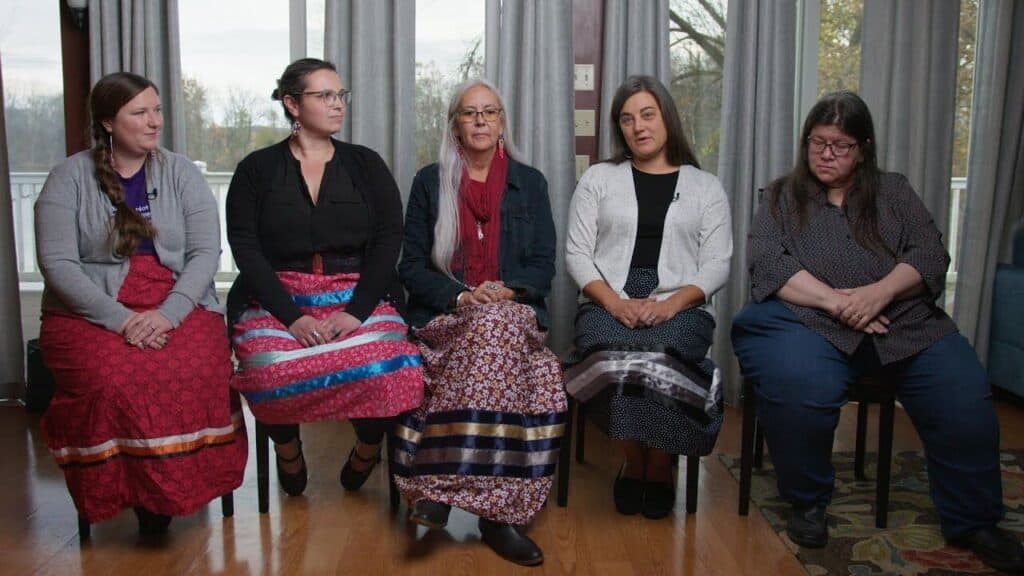
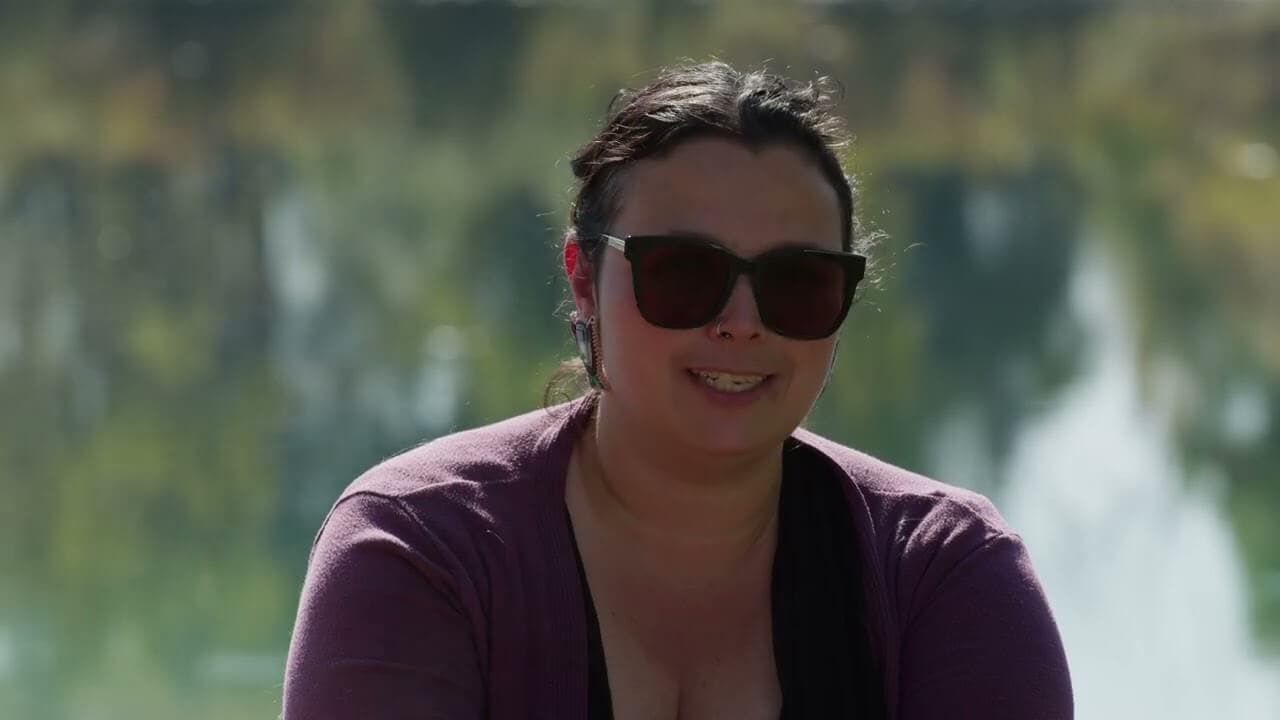
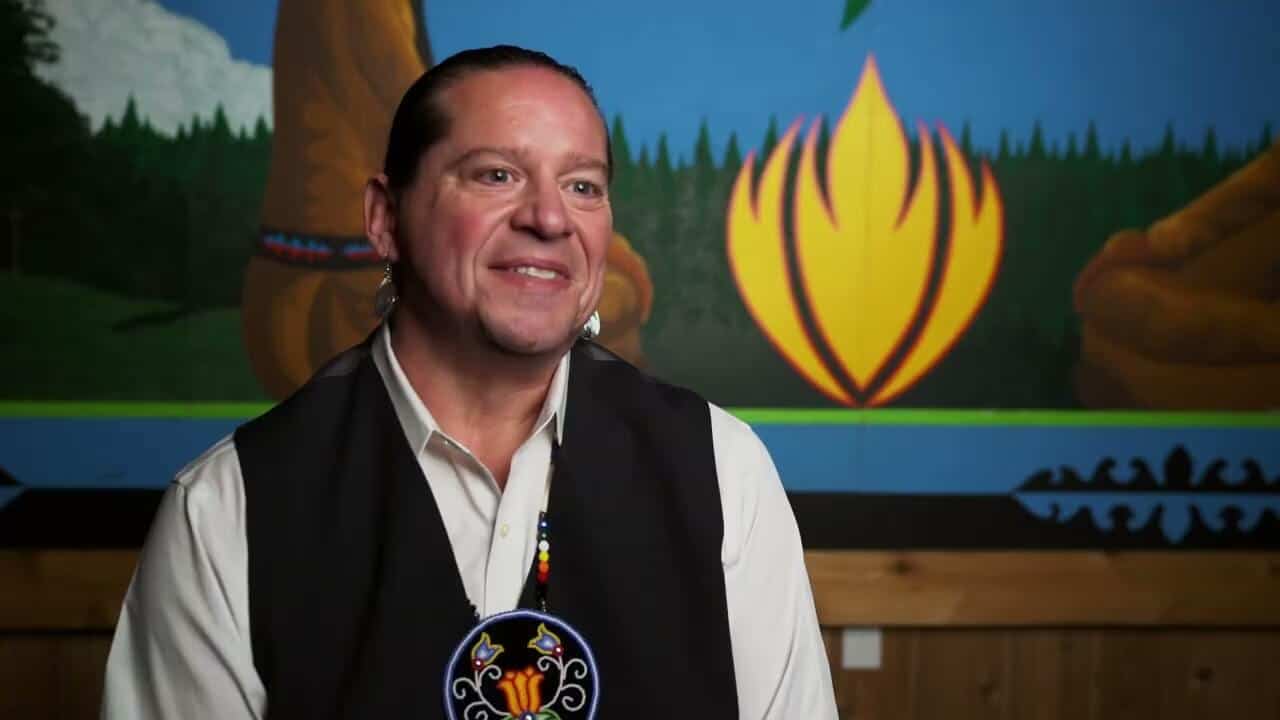
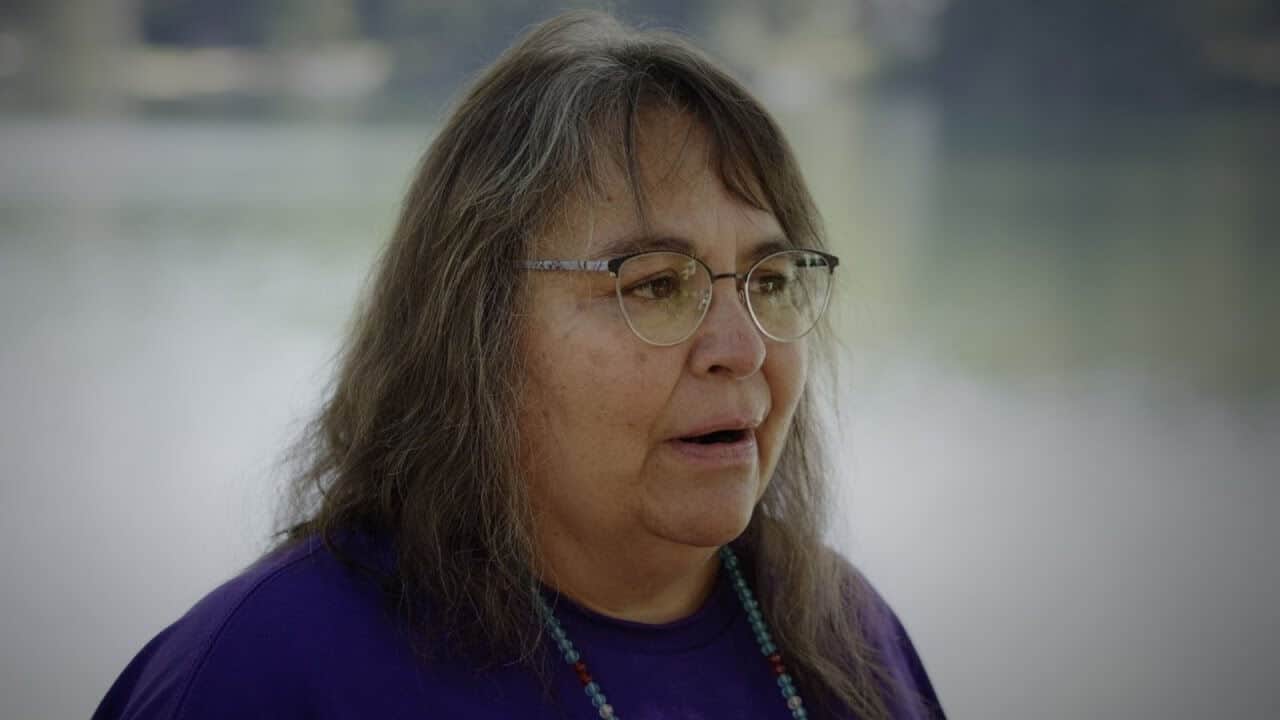
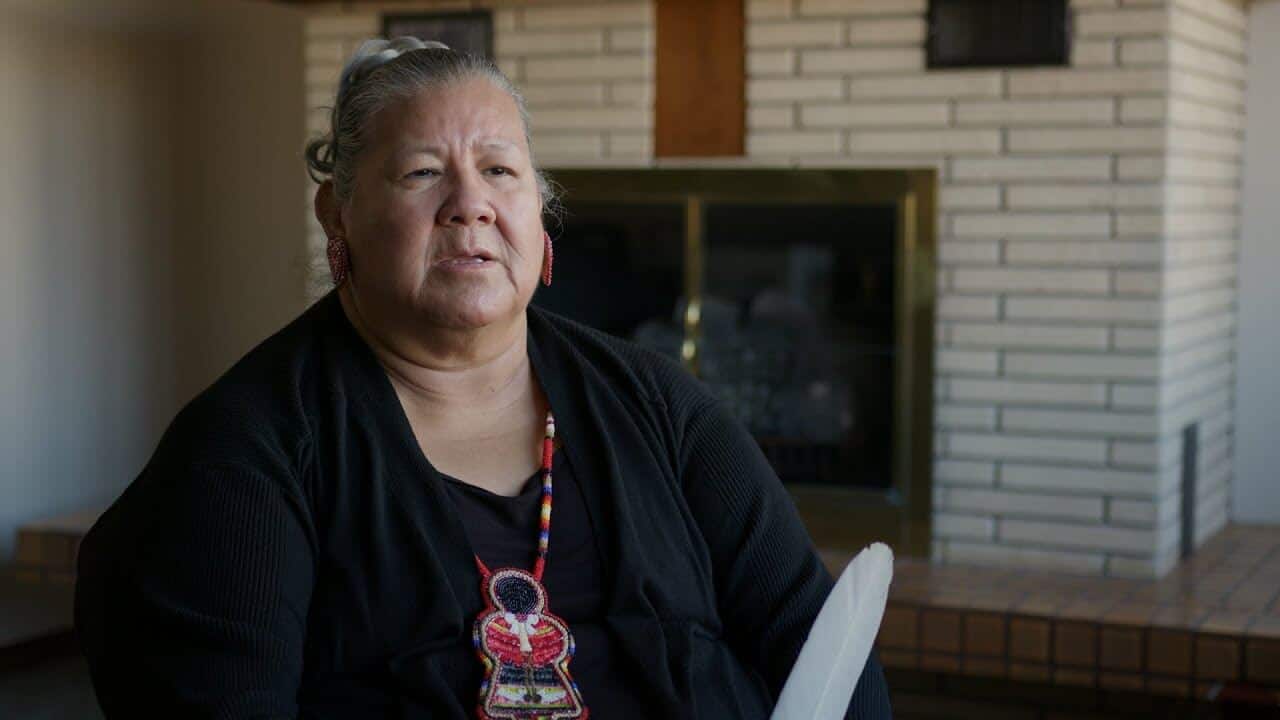
With the support from Indigenous advocates, wisdom keepers, and cultural leaders from across Tribal communities throughout Michigan, Uniting Three Fires Against Violence created a video series that is intended for individuals and communities across Michigan that may work with our Indigenous/Tribal/Native survivors who have experienced gender based violence. The videos are meant to be introductory and foundational to inspiring knowledge on how historical trauma continues to impact responses to violence against women living in and outside of their Tribal communities. The videos collectively share how culture and history intersects with providing culturally honoring services, which is often different from Western/historically funded approaches to safety, healing and justice.
This video provides a detailed look at the impact of historical trauma through multiple strategical tactics applied by the United States government across Indian Country on the lives of individual women, Tribes, and communities. It offers in real time examples of resiliency; in the words of one of the circle participants “Indigenous Women always fighting for what is needed in the community”.
This video looks across generations at how and when culture may re-enter the lives of Indigenous people creating pathways to home, safety, change, and identity. It is an educational tool that challenges concepts of western practices as the “best” or only practical path to healing. The circle helps to reveal the power of wisdom, resources, culturally honoring, cross generational trauma informed supports that exist within our Tribal programs and communities. This video/circle can inspire growth in knowledge and ultimately lead to change.
This video hosts the Pokagon Band of Potawatomi Victim Services team sharing the difference and impact of culturally honoring versus standardized historically funded services in supporting victims in Tribal communities. The Tribal victim services program takes a seven-generation approach acknowledging past, present, and future generations.
The role and impact of historical trauma, blood memories and cultural/traditional responses are key components to culturally honoring approaches.
This video is key in clarifying the differences between western systems social services approaches and Tribal culturally honoring practices where families and survivors move from the role of systems to families and communities.
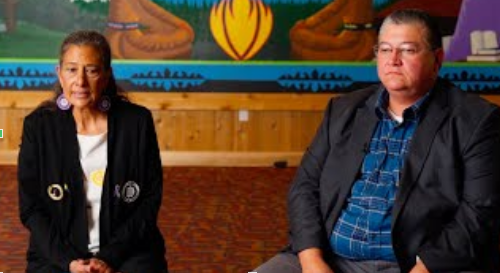
Indigenous women from unrelated Tribal programs, coalitions, and communties engage in dialogue addressing culturally honoring services. They engage in conversation related to identifying, strategizing, and overcoming barriers to advocacy, and ensuring culturally honoring responses are victim centered and trauma informed.
The role and importance of the sacred medicines and food in providing culturally honoring services is discussed.
Visions and hopes for future generations conclude the conversations within this video.
Trauma informed, culturally honoring practices focused on healing are foundational in restorative justice traditions and approaches. This video provides a clear comparison and distinction between Tribal law/courts and Western judicial systems.
Restorative justice is dedicated to community wholeness and healing, return to a place of traditional teachings, respect, love, kindness, honor: embracing and enacting the Seven Grandfather teachings.
Traditional Tribal justice response builds a new table where elders, veterans, leaders, Tribal citizens of all ages join together in honor and respect to build and sustain community.
This video is dedicated to knowledge of the identity of the four scared medicines, how, when, and why they are used in smudging/ceremony. Water as a scared element/medicine and its connectedness to women in the circle of life is a topic of discussion.
The information/education presented in this video was created to broaden understanding of cultural practices and terminology as it relates to sacred medicines and ceremonies specific to Michigan’s Three Fires Confederacy Tribal Nations.
This information is intended to be supportive/helpful in digesting language and information presented throughout the UTFAV cultural video series. However, it should be noted that the four sacred medicines extent to Tribal Nations beyond Michigan but vary from region to region.
Food in Tribal communities brings everyone together. The United States Government in many instances removed Tribal Nations from their ancestral lands to areas where they lost the ability to sustain their ancestral ability to plant, grow, hunt, fish. The places where Tribes were relocated often took away resources to support growing, gathering, and hunting knowledge they had sustained for thousands of years. This action was an assault on the physical and spiritual health of indigenous people/nations. This action extended beyond food to spiritual practices, ceremonies, communities coming together all interconnected to traditional food gathering and sharing.
Food sovereignty at Nottawaseppi Huron Band of Potawatomi is demonstrated in this video as a tool/option for returning to sustainable Tribal culturally honoring community practices promoting individual and community health and wellness.
Aunties are teachers and holders of circles in Tribal communities. Jackie Minton shares in this video how important bringing youth and families into the circle through culture, singing, dancing being part of the community has been on her life journey. Cultural identity happens at different junctures across lifespans.
Being in the circle can awaken and support indigenous identity and belonging and support healing from historical and recent trauma.
This video contains an explanation, history, role and purpose of the Lac Vieux Dessert Tribal Roundhouse Ceremonial building. Tribal Leader and former Tribal Victim Advocate Melissa McGeshick shares how traditional and cultural practices offer teachings and pathways to cultural, generational, and community healing.
Hannahville Indian Community Elder Vicki Dowd shares memories and cultural traditions and teachings she has learned and shared across her lifetime. She shares her visions and hopes for future generations.
Community Trauma Informed Policing Video Series
This video honors the voice, stories and journeys of victims Survivors in their pursuit of culturally honoring justice and responses. Trauma informed should and can be more than terminology tossed into the air. I can and should reflect humanity, seeing victims/survivors as whole human beings, honoring their stories, walking beside versus in front or behind pushing in a direction or a decision that does not reflect who they or their culture are not.
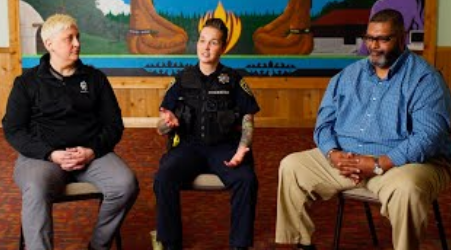
Trauma informed, culturally honoring practices focused on healing are foundational in implementing trauma informed responses and restorative justice traditions and approaches. This video provides clear examples and comparison of how trauma informed, community policing practices offer positive, lasing outcomes. Law Enforcement Officer voices present real examples of how trauma informed policing can be implemented into all law enforcement polices, practices, actions and cultures.
The Community Policing video series helps views/learners View policing/law enforcement/legal processes through Community lens versus western criminal justice response Culturally, Tribal communities have viewed responses through lens focused on community healing. Tribal cultural teachings are interconnected encouraging advocacy, law enforcement, courts, tribal systems, elders and community members, all working together in culturally honoring ways toward restorative justice, community wholeness and healing. This video series is dedicated to community wholeness and healing, return to a place of traditional teachings, respect, love, kindness, honor: embracing and enacting the Seven Grandfather teachings.
This video is key in clarifying the differences between western criminal justice response systems and what is historically referred to as peacemaking across Tribal Nations in responding to differences, bringing community wholeness, peace focused solutions. Peacemaking is a term being coopted to western practices
This project was supported by the Training for Crime Victim Service Professionals awards E20221630-001 and E20233026-00 awarded by the Division of Victim Services, Michigan Department of Health and Human Services. The opinions, findings, and conclusions or recommendations expressed in this publication/program exhibition are those of the author(s) and do not necessarily reflect the view of the US Department of Justice or the Michigan Department of Health and Human services